DIY plumbing involves careful, evidence-based steps focused on simple fixtures, routine maintenance, and leak prevention. Safe projects are limited and require precise planning, proper materials, and strict adherence to safety. Essential tools and clear shut-off procedures reduce risk, while diagnosing problems demands methodical observation and documentation. Many fixes demand professional inspection for code compliance and long-term durability. The line between DIY and professional work is nuanced, and knowing when to stop is crucial as issues escalate.
What DIY Plumbing Projects Are Usually Safe
For many homeowners, certain DIY plumbing tasks are considered appropriate starting points because they pose limited risk to health and property when approached methodically.
Projects typically deemed safe involve simple fixtures, routine drain handling, and minor maintenance.
Emphasis remains on using safe materials and proper leak prevention techniques, thorough cleaning, and evidence-based methods to minimize adverse effects and support sustainable, independent home care.
Essential Tools and Safety Precautions for Home Fixes
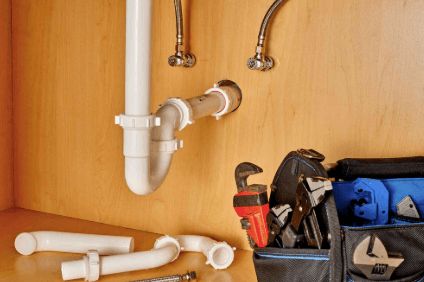
Essential tools and safety precautions form the foundation of effective home repairs, guiding a methodical approach and reducing risk.
The discussion emphasizes disciplined selection, proper handling, and accurate assessment.
Acknowledging quick fix vs professional choices clarifies boundaries, while tool safety vs code compliance stresses consistent standards.
Precision planning minimizes error, supports durable results, and preserves personal freedom within responsible practice.
When and How to Shut Off Water Safely
Shutting off the water quickly and safely is a fundamental skill in any home repair scenario, and it should be done with deliberate, measured steps.
The procedure emphasizes calm assessment, locate shutoff valve basics, then turn the valve perpendicular to flow.
Consider water pressure safety, verify no leaks, and return to normal only after equipment is secured and labeled.
How to Diagnose Common Problems and When to Call a Pro
Diagnosing common plumbing issues requires a systematic approach: identify symptoms, assess potential causes, and evaluate safety risks before proceeding. The overview emphasizes disciplined evaluation over improvisation.
When uncertainty persists, professionals provide shutoff valve inspection and rigorous leak detection techniques, ensuring integrity and safety.
Homeowners should document observations, avoid risky interventions, and recognize limits, choosing timely expert consultation to prevent escalation.
See also: undertectaboway
Frequently Asked Questions
Can DIY Fixes Void My Home’s Warranty or Insurance?
Yes, DIY fixes can affect warranties and insurance. DIY warranties and Insurance implications vary by manufacturer and policy; unauthorized repairs may void coverage or raise premium risk. The guidance emphasizes cautious, precise disclosure and documented compliance with applicable standards.
How Do I Assess if a Leak Is Dangerous to Attempt Myself?
A cautious assessment: if a leak drips steadily onto electrical, or dampens structural materials, it poses danger; dangerous assessment signals stop. The leak risk is elevated near gas lines, foundations, or hidden conduits, warranting professional inspection.
What Temporary Fixes Are Safe Before a Pro Arrives?
Temporary leak isolation can be pursued cautiously with widely accepted methods, but tool safety remains paramount; use only approved clamps or sealants, avoid heat, and stop when uncertain, awaiting a professional to minimize hazard and preserve freedom.
Are There Codes or Permits Required for Any DIY Plumbing?
An allegorical warning unfolds: unlicensed work risks leaks and ruin; permits may be required, not exempt. The code keeps honesty honest, and permit exemptions are rare. Heeding regulations, the anonymous craftsman proceeds cautiously, seeking licensed guidance when needed.
Should I Relocate or Replace Pipes During Renovations?
Relocation considerations depend on existing layout, load, and code compliance; record plans, consult licensed professionals, and assess leaks. If pipes are compromised or significantly altered, pipe replacement may be prudent, ensuring proper measurements, permits, and long-term system reliability.
Conclusion
Many routine plumbing tasks can be tackled safely by confident DIYers, provided appropriate tools, cautious planning, and strict adherence to safety guidelines. Thoroughly observe symptoms, document findings, and avoid unverified or risky interventions. Always shut off the supply before work and verify comfort with the scope of the repair. When in doubt, consult a licensed professional to ensure code compliance and durable results. Are readers prepared to recognize their limits and protect both home and safety?