Introduction
Hormones are like the body’s internal messengers—they control everything from mood and metabolism to sleep and reproductive health. When they’re out of balance, you might feel tired, stressed, gain weight, or experience skin and digestion issues.
The good news? Your diet plays a huge role in restoring harmony. By choosing the right foods for hormonal balance, you can support your endocrine system naturally and effectively.
Let’s explore the most powerful foods and how they help regulate hormones in a simple, practical way.
Why Hormonal Balance Matters
Hormones such as insulin, cortisol, estrogen, and thyroid hormones influence nearly every function in your body. Even a slight imbalance can lead to:
- Fatigue and low energy
- Weight gain or difficulty losing weight
- Mood swings and anxiety
- Poor sleep quality
- Skin problems like acne
Eating nutrient-dense foods can help stabilize these hormones and improve overall well-being.
1. Healthy Fats: The Foundation of Hormone Production

Healthy fats are essential building blocks for hormone production. Without enough fat in your diet, your body struggles to create hormones properly.
Best Sources of Healthy Fats
- Avocados
- Olive oil
- Nuts (almonds, walnuts)
- Seeds (chia, flax)
- Fatty fish (salmon, sardines)
How They Help
- Support estrogen and testosterone production
- Reduce inflammation
- Improve brain function
2. Leafy Greens: Detox and Hormone Support

Leafy greens are rich in fiber, vitamins, and antioxidants that help detox excess hormones.
Top Choices
- Spinach
- Kale
- Swiss chard
- Arugula
Benefits
- Help eliminate excess estrogen
- Improve gut health
- Support liver detoxification
3. Cruciferous Vegetables: Balance Estrogen Naturally

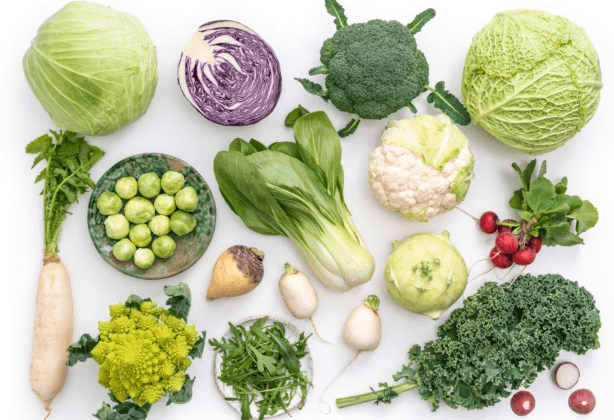
Cruciferous vegetables contain compounds like indole-3-carbinol that help regulate estrogen levels.
Examples
- Broccoli
- Cauliflower
- Brussels sprouts
- Cabbage
Why They Work
- Promote healthy estrogen metabolism
- Reduce risk of hormone-related conditions
- Support liver detox pathways
4. Whole Grains: Stabilize Blood Sugar Levels

Blood sugar spikes can disrupt insulin and cortisol levels. Whole grains provide steady energy.
Best Options
- Quinoa
- Brown rice
- Oats
- Whole wheat
Key Benefits
- Prevent insulin resistance
- Support energy balance
- Reduce cravings
5. Protein-Rich Foods: Essential for Hormone Signals

Protein provides amino acids that are vital for hormone signaling.
Top Protein Sources
- Eggs
- Chicken
- Lentils
- Beans
- Greek yogurt
How Protein Helps
- Regulates appetite hormones
- Supports muscle growth
- Stabilizes blood sugar
6. Berries: Antioxidants for Hormonal Health

Berries are packed with antioxidants that protect hormone-producing glands.
Popular Choices
- Blueberries
- Strawberries
- Raspberries
Benefits
- Reduce oxidative stress
- Support insulin sensitivity
- Improve skin health
7. Fermented Foods: Gut-Hormone Connection

Your gut plays a crucial role in hormone regulation. Fermented foods improve gut microbiome balance.
Best Options
- Yogurt
- Kefir
- Kimchi
- Sauerkraut
Why They Matter
- Improve digestion
- Support estrogen metabolism
- Boost immunity
8. Seeds: Small but Powerful Hormone Booster

Seeds are rich in essential nutrients like zinc and fiber.
Top Seeds
- Flaxseeds
- Pumpkin seeds
- Sunflower seeds
Hormonal Benefits
- Support progesterone levels
- Improve reproductive health
- Aid in detoxification
9. Herbal Teas: Natural Hormone Regulators

Herbal teas can gently support hormonal balance without side effects.
Best Teas
- Green tea
- Chamomile
- Peppermint
Benefits
- Reduce stress hormones
- Improve sleep
- Aid digestion
10. Dark Chocolate: A Surprising Hormone Helper

Yes, dark chocolate (in moderation) can support hormonal health.
Why It Works
- Contains magnesium
- Reduces stress
- Improves mood
Lifestyle Tips to Enhance Hormonal Balance
In addition to eating the right foods, lifestyle habits matter just as much.
Key Tips
- Get 7–8 hours of sleep
- Exercise regularly
- Manage stress (meditation, breathing)
- Avoid processed foods and sugar
FAQs About Foods for Hormonal Balance
1. What are the best foods for hormonal balance daily?
Healthy fats, leafy greens, whole grains, and protein-rich foods are ideal for daily hormone support.
2. Can diet really fix hormone imbalance?
Diet plays a major role, but severe imbalances may require medical attention alongside nutrition.
3. How long does it take to balance hormones with food?
It can take a few weeks to a few months, depending on your body and consistency.
4. Are there foods to avoid for hormonal health?
Yes, avoid processed foods, excessive sugar, and trans fats as they disrupt hormones.
5. Do probiotics help hormones?
Yes, they support gut health, which is closely linked to hormone regulation.
Conclusion
Achieving hormonal balance doesn’t require complicated treatments—it often starts with what’s on your plate. By incorporating these foods for hormonal balance, you can naturally support your body’s systems, improve energy, and feel your best.
Consistency is key. Small, healthy choices every day can lead to long-term hormonal harmony and overall wellness.