For sweat Decks on cold plunge & contrast therapy, the useful answer is practical: what makes the setup safe, comfortable, easy to maintain, and worth using when the novelty wears off.
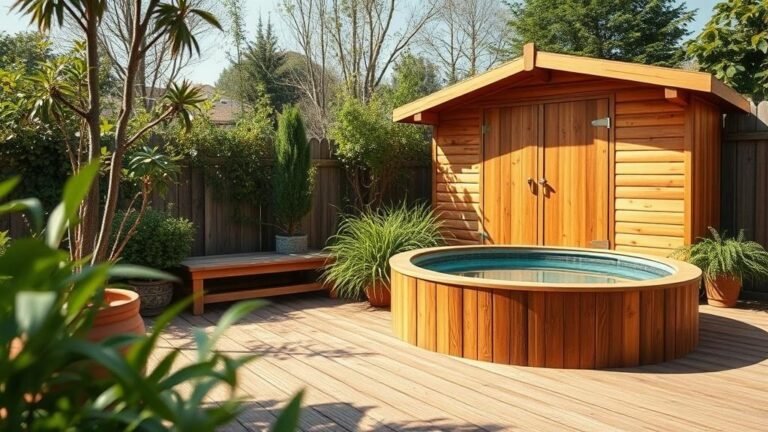
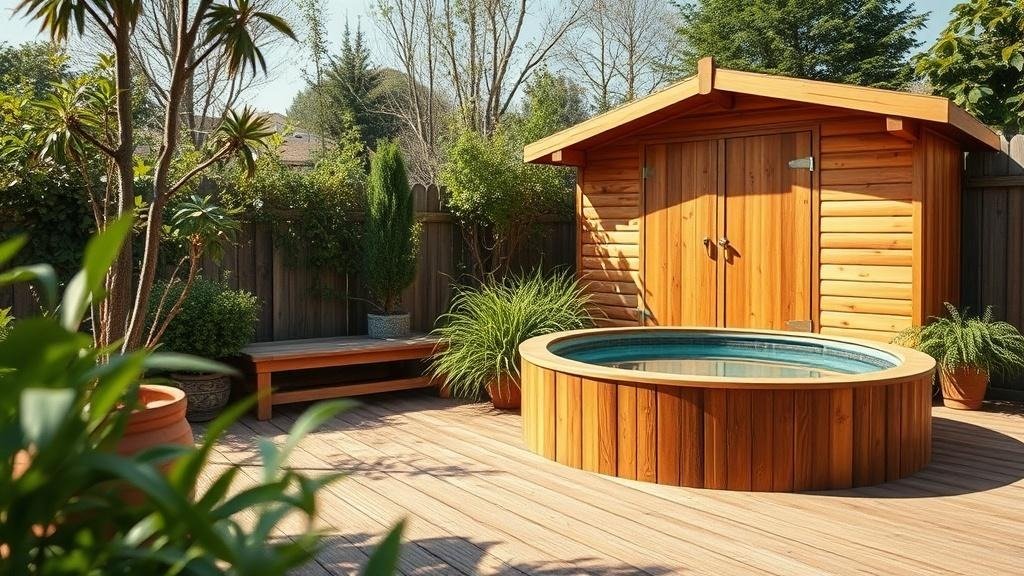
Cover image suggestion: A stone-rimmed outdoor cold plunge with visible mist rising from cold water, next to a cedar sauna door with steam escaping, both shot from a slight overhead angle in winter morning light.
Meta description: Contrast therapy combines heat and cold exposure into a single recovery protocol. The research is genuinely mixed. Here is what the evidence actually shows, where it falls short, and how to think about the practice as a homeowner.
Last February, a contractor named Kevin in Boise finished installing a cedar barrel sauna eight feet from a stainless cold plunge tub on a flagstone patio behind his garage. Total project cost: about $14,200 including electrical. He told me he used both units every single day for the first three weeks. “My wife thought I’d joined a cult,” he said. Then his usage dropped to twice a week, then once, then the cold plunge sat untouched for a month while the sauna kept getting fired up regularly. By April he was back to daily contrast sessions, but only after he moved the cold plunge three feet closer and added a small roof overhang so he didn’t have to step into rain between units.
Kevin’s story is basically the entire contrast therapy conversation in miniature: the physiology is real, the mood effects are hard to argue with, but the practice only survives contact with daily life if the setup is right.
Compliance note: Cold water immersion below 55 degrees Fahrenheit is contraindicated in people with cardiovascular disease, uncontrolled hypertension, recent stroke or heart attack, Raynaud’s phenomenon, and during pregnancy. The cold pressor response causes acute increases in blood pressure and heart rate that can be dangerous for at-risk populations. Anyone considering cold therapy should consult a physician first.
What Cold Exposure Actually Does (Without the Sauna)
Before talking about the combined practice, it’s worth pulling apart the two halves.
The cold water immersion literature has grown considerably since around 2015, and it splits into two distinct buckets that people constantly conflate.
Bucket one: post-exercise recovery. Cold water immersion after training has been studied in athletes for decades. A 2016 Cochrane review by Bleakley and colleagues examined 17 trials comparing cold water immersion to passive recovery. Their conclusion: cold water immersion may reduce delayed onset muscle soreness (DOMS) by a small to moderate amount, with the most consistent effects in trials using temperatures of 50 to 59 degrees Fahrenheit and durations of 11 to 15 minutes.
Here’s the catch. A 2015 paper by Roberts and colleagues in the Journal of Physiology found that post-workout cold immersion actually reduced gains in muscle mass and strength over a 12-week training program compared to active recovery. If you’re trying to get bigger and stronger, icing yourself after every lift may be working against you.
The honest read: cold water immersion probably helps with short-term soreness but may blunt long-term adaptation when used routinely after resistance training. Use it strategically, not reflexively.
Bucket two: mood and alertness. This is where things get interesting. Smaller studies have documented acute increases in norepinephrine of 200 to 500 percent after cold immersion, with corresponding subjective reports of improved mood and alertness lasting hours afterward. A 2018 study by Buijze et al. in PLOS ONE randomized 3,018 participants to a daily cold shower (30, 60, or 90 seconds) versus normal showers for 30 days. The cold shower group saw a 29 percent reduction in self-reported sickness absence from work. The mechanism isn’t established, but the effect was statistically significant and the sample was large enough to take seriously.
The mood and arousal effects of cold exposure appear genuine and acute. Whether they compound into meaningful long-term clinical outcomes is a different question, and the data there is thinner than the popular press suggests.
The Combined Protocol: What the Evidence Actually Supports
Studies on contrast therapy specifically (alternating hot and cold in a single session) are less common than studies on either half alone, which is an important thing to understand if you’re about to spend $15,000 on infrastructure.
A 2013 meta-analysis by Bieuzen, Bleakley, and Costello in PLOS ONE examined 13 trials of contrast water therapy after exercise. Findings were modest: contrast therapy was slightly better than passive recovery for reducing creatine kinase (a marker of muscle damage) and perceived muscle soreness. But the magnitude of benefit was small, and heterogeneity between studies was high, meaning results varied a lot depending on the specific protocol.
A 2017 review by Higgins et al. in the Journal of Strength and Conditioning Research broadened the scope to include contrast across multiple modalities (water immersion, sauna-plus-cold-plunge, contrast showers). Their conclusion: the literature supports modest benefits for soreness reduction and subjective recovery, with the largest effects in studies using deeper cold immersion (below 55 degrees Fahrenheit) and meaningful heat exposure (sauna or hot water above 100 degrees Fahrenheit).
The bigger Finnish cohort studies (KIHD and others) haven’t examined contrast therapy as a separate variable. This is partly because the Finnish cultural practice has always been sauna followed by a lake swim or a roll in the snow, not a structured cycling protocol, so it doesn’t isolate cleanly as a research variable.
My honest summary: the case for contrast therapy as a combined practice is weaker than the case for sauna alone. The benefits appear to be sauna benefits plus cold exposure benefits running in parallel, with possible additive effects but nothing that looks like one-plus-one-equals-three. If you’re already a sauna person, adding cold exposure is reasonable. If you’re starting from zero, the sauna is where the stronger evidence lives.
What a Home Session Looks Like in Practice
The residential protocol has settled into a fairly standard pattern:
- 15 to 20 minutes in a traditional sauna at 170 to 200 degrees Fahrenheit
- 1 to 3 minutes in cold water at 45 to 55 degrees Fahrenheit (entry temperature; it typically rises a few degrees during immersion from body heat)
- 10 to 15 minutes resting, often back in the sauna or under a warm shower
- Repeat 2 to 4 times depending on session length and tolerance
A full multi-cycle session runs 60 to 120 minutes. A short cycle (one hot, one cold) takes 30 to 45 minutes.
The infrastructure matters more than most people expect. You need a heat source (sauna or hot tub), a cold source (cold plunge tub or chilled pool), and a layout that lets you move between them in 10 to 30 seconds without standing around wet and shivering. Outdoor setups with the sauna and cold plunge within 8 to 12 feet of each other work well. Setups where the cold plunge is in a separate room or building work less well in practice and get used less often. This was Kevin’s exact problem, and the fix was literally three feet and a roof overhang.
For homeowners building this kind of integrated system, Sweat Decks on cold plunge & contrast therapy covers the siting and equipment pairings that produce a practice that actually gets used, not one that gets photographed once and then ignored.
Equipment Tiers and the Budget Conversation Nobody Wants to Have
The cold plunge market has split into roughly three tiers:
DIY conversions (chest freezer, stock tank): $200 to $1,500. Effective if maintained well. But water quality becomes a constant management headache, and most users abandon them within a year. Think of it like building your own squat rack out of lumber: it works, but the friction adds up.
Self-contained electric cold plunge tubs: $4,500 to $18,000. Stainless or insulated polymer construction, integrated chiller, filtration, ozone or UV sanitation. Plug and play. This is the dominant residential format heading into 2026.
Built-in chilled pools: $25,000 to $80,000 and up. Custom stone or tile surrounds, external chiller plant, integrated with surrounding hardscape. The architectural option, common in high-end builds.
The part people skip over: filtration and water management. A cold plunge held at 50 degrees Fahrenheit accumulates body oils, dead skin cells, and bacteria from users. You need filtration (sediment and carbon) plus continuous ozone or UV sanitation as a baseline. Skip these and your tank develops a greasy film within weeks. Nobody talks about this in the glamour shots.
Who Should Actually Build This Out
If you already have a regular sauna practice (four or more sessions per week, sustained for several months) and want to add cold exposure, the contrast addition is reasonable and the equipment investment is justified by your usage patterns.
If you’re new to both, start with one. Most people gravitate to sauna first because the entry experience doesn’t require psyching yourself up for two minutes. Add cold after the heat practice has become routine, not before.
If you have any of the cardiovascular contraindications listed above, do not start cold exposure without explicit cardiologist clearance. The blood pressure spike during cold immersion is real and not trivial.
If your goal is athletic recovery from heavy training, the research suggests timing cold exposure strategically rather than using it after every session, particularly if hypertrophy is a goal. The Roberts data on blunted strength gains is worth taking seriously.
If your goal is mood and general wellness, the cold exposure effects appear most consistent at temperatures below 55 degrees Fahrenheit and durations of 1 to 3 minutes. Going colder or longer doesn’t produce proportionally better results, and it increases the risk of cold injury.
The boring truth is that contrast therapy is a useful tool with real research behind it, applied appropriately. It is not the revelation the marketing departments want it to be. The cold exposure component is the more variable element, both physiologically and in terms of whether people actually keep doing it through February.
Build the infrastructure for both modalities. Develop the practice slowly. The sauna habit anchors first. Cold exposure layers in as you develop the tolerance and the routine.
Done right, it’s a tool. Done wrong, it’s a $35,000 piece of equipment that gets used six times.