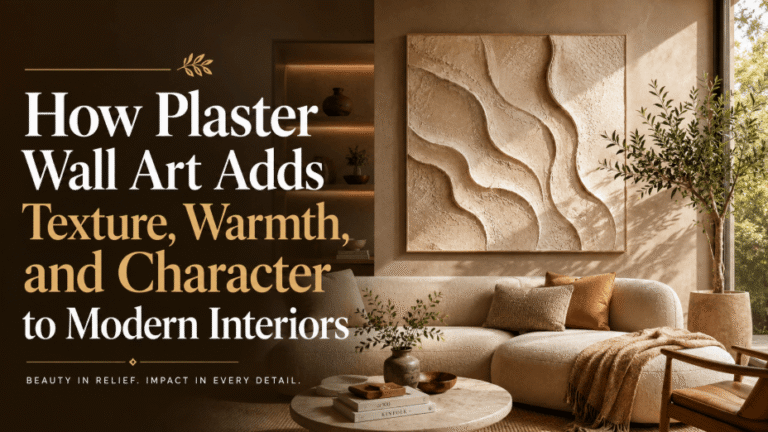
Why Texture Has Become So Important in Interior Design
Modern interiors are no longer judged only by color, furniture, and layout. Texture has become one of the most important parts of a well-designed room. A space can have expensive furniture and a beautiful color palette, but if every surface is flat and predictable, the room may still feel unfinished. This is why many designers now use plaster wall art to bring depth, softness, and handcrafted character into homes, offices, and creative spaces.
Plaster-based artwork has a unique presence. It does not rely on bright colors or complicated images to make an impact. Instead, it uses raised surfaces, uneven details, natural shadows, and subtle movement. These qualities make a wall feel more alive without making the room look crowded.
In today’s interiors, people want spaces that feel calm but not empty, simple but not boring, and stylish but not overly decorated. Textured artwork fits this need perfectly. It gives a room visual interest while keeping the overall design clean and elegant.
The Appeal of Handmade Surface Detail
One of the strongest reasons plaster artwork feels special is its handmade quality. Unlike mass-produced prints, textured pieces often show small variations in surface, shape, and finish. These details make the artwork feel more personal.
A raised line, a soft curve, or a slightly uneven area can remind the viewer that the piece was shaped by hand. This creates a connection that flat digital prints often cannot provide. Even when the design is simple, the surface tells a story.
Handmade texture also works well because modern rooms often include many smooth materials. Glass tables, metal frames, polished floors, and plain painted walls can make a space feel clean, but sometimes too cold. Plaster artwork adds warmth and a natural human touch.
This is especially useful in minimalist interiors. Minimalism should not feel lifeless. The right textured artwork helps keep the room simple while still making it feel welcoming.
How Plaster Art Creates Visual Depth
Depth is one of the main advantages of plaster artwork. When light touches the raised surface, it creates shadows. These shadows change throughout the day, making the artwork look slightly different in the morning, afternoon, and evening.
This makes plaster art more dynamic than a flat image. It has a sculptural quality, almost like a bridge between painting and wall sculpture. The viewer does not only see the design. They also experience its surface.
In a living room, this depth can make a large wall feel complete. In a bedroom, it can create a soft and peaceful background. In an office, it can give the space a refined and professional appearance.
Depth also helps when the color palette is simple. A white, cream, beige, or gray plaster artwork can still feel rich because the texture does the visual work. The piece does not need many colors to feel interesting.
Why Neutral Plaster Art Works So Well
Neutral tones are very common in plaster artwork, and for good reason. Colors such as white, ivory, sand, beige, stone, taupe, and soft gray allow the texture to stand out. They also make the artwork easy to place in many types of rooms.
Neutral plaster art works beautifully with:
- Wooden furniture
- Linen curtains
- Stone surfaces
- Woven rugs
- Ceramic decor
- Soft lighting
- Indoor plants
These natural materials help create a calm and balanced space. Instead of one object demanding all the attention, everything works together.
Neutral artwork is also practical. It can stay relevant even if the furniture, cushions, or smaller decor items change over time. This makes it a strong choice for people who want a long-lasting design rather than something that feels trendy for only one season.
Styling Plaster Art in the Living Room
The living room is often the best place to display a textured wall piece because it is usually the most visible area of the home. A plaster artwork above the sofa can become the main focal point of the room without feeling too loud.
For a balanced look, the artwork should be sized properly. A piece that is too small may look lost on the wall. A larger piece or a set of coordinated pieces can create a stronger visual effect.
The color should also connect with the room. If the living room uses warm wood and beige fabrics, cream or sand-toned plaster art will feel natural. If the room has black accents, gray or white textured artwork can create contrast.
Lighting matters too. A nearby floor lamp, wall light, or ceiling spotlight can highlight the texture and make the piece feel more dimensional. Without good lighting, the surface details may not be as visible.
Using Textured Art in Bedrooms
Bedrooms should feel restful, personal, and comfortable. Plaster artwork works well here because it adds beauty without creating too much stimulation. A soft textured piece above the bed can bring calmness and quiet detail to the room.
For bedrooms, gentle colors are usually best. Ivory, warm white, pale beige, and light gray can create a peaceful mood. These colors pair well with cotton bedding, linen fabrics, wood tones, and soft rugs.
A textured artwork can also replace the need for busy wall decor. Instead of using multiple small frames, one strong plaster piece can make the wall feel complete. This helps the bedroom stay clean and uncluttered.
If the room is small, a lighter artwork can make the space feel more open. If the room is large, a deeper neutral tone can add warmth and make the room feel more grounded.
Why Offices Benefit From Textured Wall Art
Office spaces need to feel professional, but they should not feel lifeless. Whether it is a home office, meeting room, studio, or reception area, artwork can influence how people feel in the space.
Textured plaster art is a good choice for offices because it looks refined and modern. It does not distract the way overly bright or busy artwork might. Instead, it creates a thoughtful atmosphere that supports focus and calm.
In a home office, plaster artwork can make the workspace feel more intentional. It separates the area from the rest of the home and gives it a more polished identity.
In a professional office, it can improve the impression of the space. Clients and visitors often notice details, even if they do not mention them directly. A well-placed textured artwork suggests care, taste, and attention to design.
Some workspaces also combine subtle textured pieces with more expressive references like abstract pop art for home and office to balance calm professionalism with creative energy. This approach works especially well in studios, agencies, lounges, and modern collaborative areas.
See also: Anti Blue Light Reading Glasses: A Practical Choice for Modern Men
Matching Plaster Art With Interior Styles
Plaster artwork is flexible because it can adapt to several design styles. The final effect depends on the shape, color, and texture of the piece.
In minimalist interiors, simple raised patterns and neutral colors work best. They add interest without disturbing the clean look.
In contemporary interiors, bolder textures and larger pieces can create a strong focal point. A sculptural white or gray plaster artwork can look especially striking against a darker wall.
In Japandi-inspired rooms, plaster art fits naturally because it supports simplicity, warmth, and imperfect beauty. Soft lines, organic shapes, and muted tones work well with wood, linen, and natural light.
In luxury interiors, plaster artwork can add quiet elegance. When paired with marble, brass, velvet, or high-quality lighting, it creates a refined atmosphere without looking excessive.
In rustic-modern spaces, textured artwork connects beautifully with raw wood, handmade ceramics, and earthy colors.
Choosing the Right Size and Shape
The size of the artwork should match the wall and furniture around it. This is one of the most common areas where people make mistakes.
A large blank wall usually needs a larger artwork or a coordinated set. A small piece may not have enough presence. Above a sofa or bed, the artwork should generally feel connected to the furniture below it.
Shape also matters. Horizontal pieces work well above sofas, beds, dining benches, and consoles. Vertical pieces are useful for narrow walls, hallways, reading corners, and entryways. Square pieces can work almost anywhere, especially when centered properly.
Before choosing a piece, it helps to measure the wall and think about the surrounding objects. The artwork should not feel squeezed, but it should also not float awkwardly in too much empty space.
Good placement makes the piece feel intentional.
Color Choices That Feel Natural
Although many plaster artworks use neutral tones, there is still a wide range of choices. Each tone creates a different mood.
White feels clean, bright, and airy. It works well in modern, coastal, and minimalist spaces.
Cream and ivory feel softer and warmer than pure white. They are ideal for bedrooms, living rooms, and calm reading areas.
Beige and sand tones feel natural and relaxed. They work well with wood, plants, and woven materials.
Gray feels modern and balanced. It can look cool and elegant, especially in offices or contemporary rooms.
Earth tones such as clay, taupe, and muted brown add warmth and grounded character.
The best color is the one that supports the feeling of the room. A peaceful bedroom may need softness, while a formal office may need structure.
Caring for Plaster Wall Art
Plaster artwork is usually easy to care for, but it should be handled with attention. Because the surface may be raised or textured, rough cleaning can damage the details.
A soft, dry cloth is usually enough for light dusting. For deeper texture, a gentle brush can help remove dust from small areas. Harsh chemicals should be avoided unless the maker provides specific cleaning instructions.
It is also best to keep plaster artwork away from very damp areas unless it is designed for that environment. Bathrooms, kitchens, and humid rooms may not be suitable for every piece.
Proper installation is important too. Textured artwork can be heavier than regular prints, so secure hanging hardware should be used. A well-installed piece looks better and stays safer over time.
Building a Room Around Texture
A beautiful room is not created by one object alone. It comes from the relationship between materials, colors, lighting, furniture, and artwork. Plaster wall art is powerful because it can connect these elements.
It can soften modern furniture, warm up plain walls, and add character to neutral rooms. It can make a new apartment feel more personal or help an office feel more carefully designed. It can also bring an artistic quality to a space without needing loud color or complex imagery.
The best interiors often have a balance of smooth and rough, soft and structured, simple and expressive. Plaster artwork supports that balance naturally. It gives the eye something to notice, but it does not overwhelm the room.
A More Meaningful Way to Decorate
Plaster wall art is more than a decorative trend. It reflects a wider shift in how people think about interiors. Instead of filling rooms with random objects, many people now want fewer pieces with more meaning, texture, and presence.
A textured artwork can make a room feel calm, thoughtful, and complete. It brings craft into modern design and gives walls a sense of depth that flat decor often cannot achieve.
Whether used in a living room, bedroom, hallway, office, or studio, plaster artwork offers a quiet kind of beauty. It does not need to shout to be noticed. Its strength comes from surface, shadow, and simplicity. That is what makes it such a valuable choice for modern interiors that are designed to feel both stylish and human.