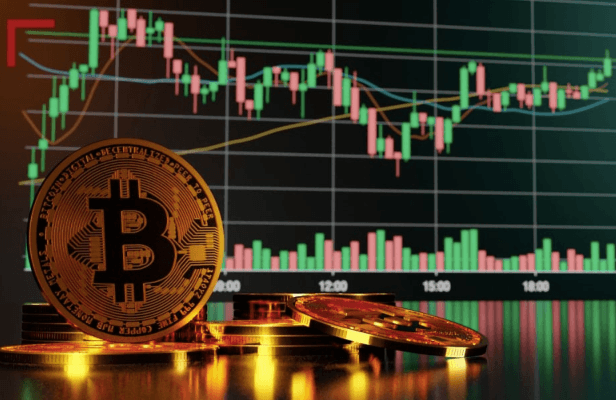
Crypto trading is the act of buying and selling digital assets on exchanges to capitalize on price moves. It hinges on spot markets, order books, liquidity, and fees, but requires discipline and risk controls to avoid impulsive bets. Beginners should set clear goals, fixed risk per trade, and documented entry/exit rules with proper position sizing. Skepticism toward hype and solid risk fundamentals matter; the path forward rests on repeatable patterns, credible platforms, and continuous learning that sustains a measured approach. The next steps matter.
What Is Crypto Trading, Really?
Crypto trading is the active buying and selling of digital assets on exchanges, aiming to profit from short- to medium-term price movements rather than long-term ownership. It is a practical activity, not a creed, demanding discipline and skepticism. Learning psychology shapes decisions, while market sentiment amplifies swings. Freedom-minded traders track risk, leverage, and timing, avoiding overconfidence and unnecessary complexity.
How Exchanges and Spot Markets Work
Exchanges and spot markets serve as the core venues where digital assets are bought and sold at current prices. They operate through order books, matching bids and asks in real time, with liquidity shaping price movement. Traders should question transparency and fees. Exchanges mechanics influence execution quality, while spot market pricing reflects supply-demand dynamics, not guaranteed outcomes or stability. Freedom requires disciplined scrutiny.
Essential Tools and Risk Basics for Beginners
The approach remains cautious: readers assess fees, liquidity, and platform credibility before trading.
Risk management concepts frame decisions, emphasizing position sizing and stop mechanisms.
Emotional discipline curbs impulsive moves, preserving method over momentary volatility to sustain long-term, freedom-centered learning.
Simple Strategies to Start Trading Confidently
What simple strategies can help a new trader begin with confidence? The approach favors disciplined, repeatable patterns over hype. Start with clear goals, fixed risk, and documented rules for entries and exits.
Employ diversification, position sizing, and trailing stops to reduce emotion-driven decisions.
Consider crypto psychology influences and tax implications when evaluating trades, remaining skeptical of shortcuts or promises.
See also: undertectaboway
Frequently Asked Questions
What Are the Tax Implications of Crypto Trading?
Tax implications vary, but generally tax reporting is required for crypto trades; profits may trigger capital gains taxes. The framework is evolving, potentially complex, and scrutiny increases as freedom seekers seek clarity amid volatile, misunderstood digital assets.
How Do I Memilih Secure Crypto Wallets Safely?
They should choose wallets with robust security, addressing skepticism about risks; secure backups and hardware authentication are essential. Even skeptics demand practical proof, so reputable wallets with multi-factor protection and documented incident response reduce fear while preserving personal freedom.
Can I Day Trade With Small Capital?
Yes, day trading with small capital is possible, but it demands strict risk management and disciplined liquidity considerations. The detached observer notes volatility, fees, and embedded costs; freedom-seeking traders should evaluate whether potential gains outweigh ongoing risk exposure.
What Causes Sudden Crypto Price Spikes?
Sudden crypto price spikes arise from rapid shifts in supply demand and market sentiment; even thinly traded assets can surge on news, rumors, or liquidations, while confident projections may mislead, highlighting the fragility of perceived freedom in markets.
How Do I Avoid Common Crypto Trading Scams?
In juxtaposition, caution and curiosity collide: the answer outlines avoiding common crypto trading scams by recognizing scam red flags and avoiding fake giveaways, while maintaining skeptical yet accessible language for readers seeking freedom from fraud.
Conclusion
Crypto trading demands disciplined execution, not impulsive hype. Traders should define clear goals, fixed risk per trade, and documented entry/exit rules, while sizing positions and using trailing stops to protect gains. Exchanges and spot markets are the battlegrounds where liquidity and fees shape outcomes, so skepticism toward trends and reliance on repeatable patterns are essential. Success hinges on credibility of platforms and ongoing learning. In a nod to the past, imagine a parchment-scrawled checklist guiding modern, freedom-focused decisions.